How to recognise a Van Gogh in five seconds
You don't need the wall label. Three tells give him away across any gallery — and once you know them, you can't miss one.
Van Gogh is one of the easiest painters to recognise — once you know where to look. Forget the wall label. Three tells, checked in order, give him away in about five seconds.
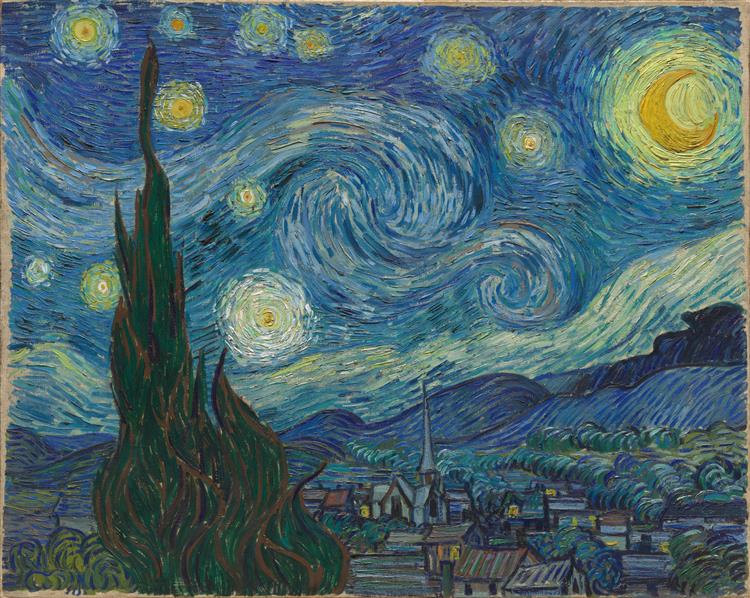
Tell 1 — Swirling movement
Skies, fields and cypresses that seem to twist and flow, as if the whole scene were caught mid-breath. Van Gogh rarely paints a static sky; even calm nights get a current running through them.
Tell 2 — Thick, ropey brushstrokes
Paint laid on so heavily (impasto) you could almost read it with your fingertips. Every stroke has a direction, laid down fast and rarely blended — look for ridges of dried paint standing proud of the canvas.
Tell 3 — Electric colour
Charged blues against acid yellows, chosen for feeling, not accuracy. Van Gogh had synaesthetic instincts for colour — he wrote about wanting to express emotion "by the arrangement of colours" alone.
He wasn't painting what the sky looked like. He was painting what it felt like to stand under it.
Ready to test it?
Spotting the tells is half the game. Try it on 1,200+ paintings from 80+ masters.
Play the quiz →One trap: the imitators
Beware other Post-Impressionists — plenty of them painted Tahiti, haystacks and starry nights in the same decade, and some borrowed the swirl. Paul Gauguin, Van Gogh's housemate for two turbulent months in Arles, is the classic mix-up: same era, same thick outlines around simplified shapes — but flatter colour blocks instead of Van Gogh's churning texture.
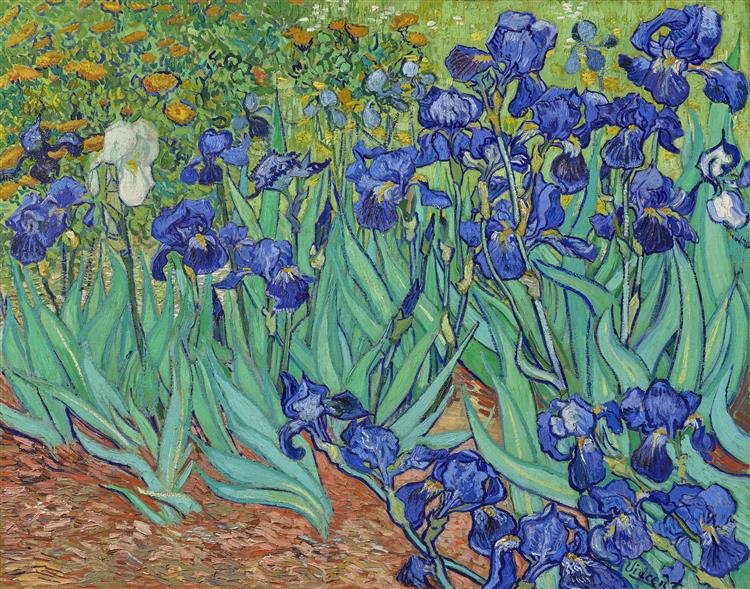
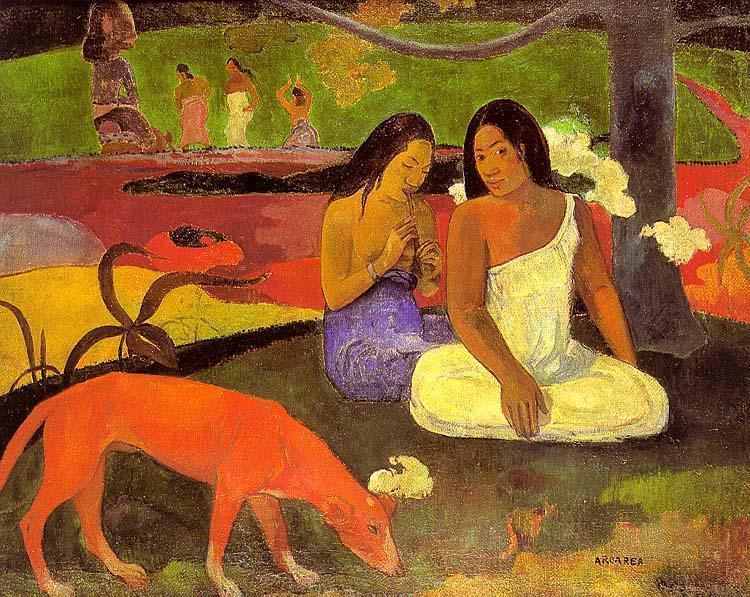
Van Gogh's combination of all three tells, at full intensity, is unmistakable once you've seen it side by side with the competition. Trust the feeling: if a painting looks like it's moving, look closer.